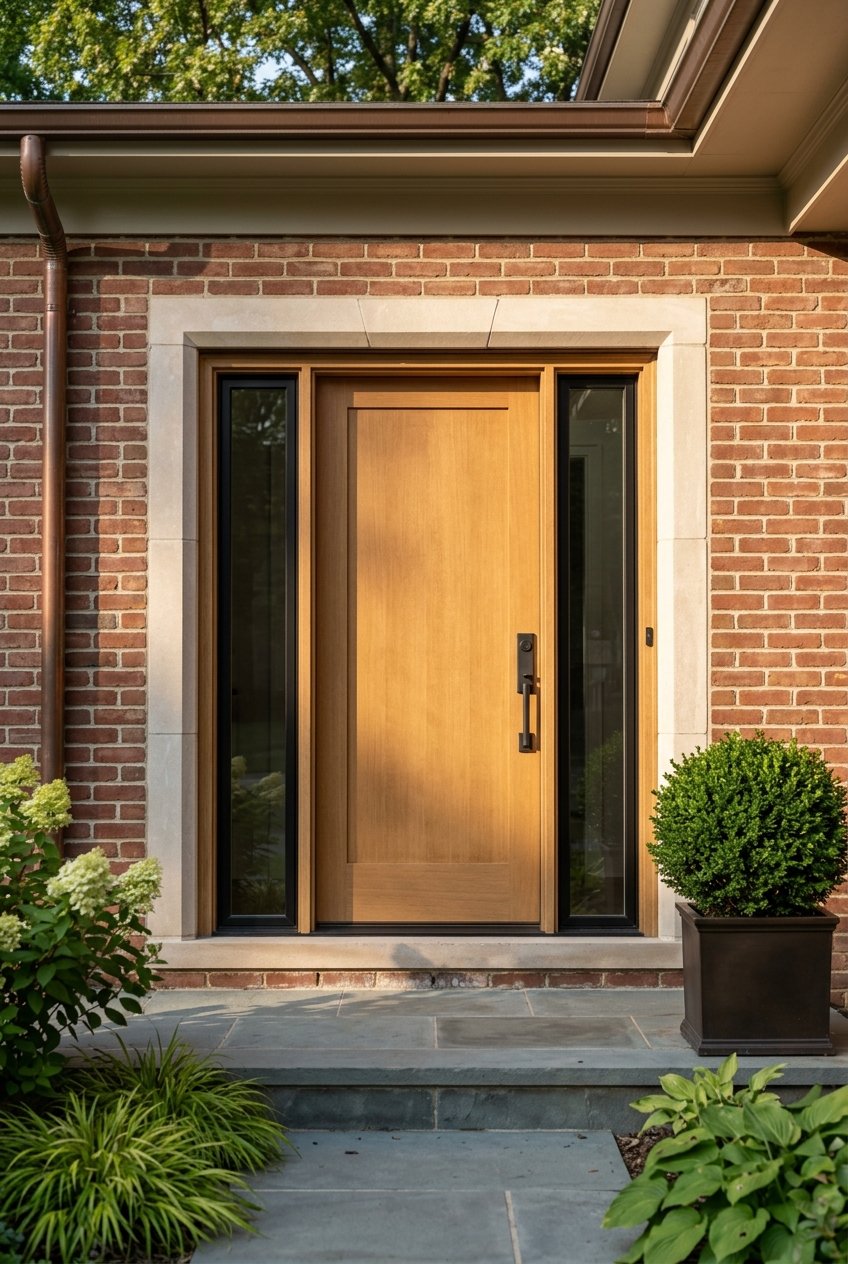
Buying In Troy: Newer Builds Versus Established Homes
Wondering whether a newer build or an established home makes more sense in Troy? You are not alone. In a city where housing ranges from brand-new colonials to mid-century ranches and bungalows, the right choice often comes down to how you want to live, what monthly costs you can comfortably carry, and how much flexibility you want after closing. This guide will help you compare both paths in Troy so you can make a smarter, more confident decision. Let’s dive in.
Troy is a mature suburban market, not a blank-slate new development area. The city is largely built out, with newer and denser residential activity tending to appear in selected corridors and redevelopment areas rather than across large stretches of vacant land.
That matters when you start your search. In Troy, comparing newer versus established homes is not just about age. It is also about location pattern, home style, pricing, monthly ownership costs, and whether you want a move-in-ready experience or a home you can shape over time.
City records show a wide spread of housing eras. You can find 2023 to 2025-built colonials on streets like Westminster, Knollwood, Blaketon Court, and Eckford, while established homes include 1940s through 1970s ranches, bungalows, tri-levels, and colonials on streets such as Vermont, Sherbourne, Atlas, and Key West.
Troy has a 73.3% owner-occupied housing rate, a median owner-occupied home value of $420,300, and median monthly owner costs with a mortgage of $2,208. In practical terms, that means the difference between a newer home and an older home can have a real effect on your monthly budget.
It is also the kind of market where buyers often think beyond the purchase price. With a median household income of $118,720 and a median age of 42.4, Troy tends to attract buyers who are weighing long-term fit, carrying costs, and future resale potential just as carefully as finishes and square footage.
Newer construction in Troy often appeals to buyers who want predictability. If you prefer modern layouts, updated systems, and fewer immediate projects, a recently built home may feel like the simpler path.
Another major advantage is efficiency. High-performance newer homes often include better insulation and more efficient building components, which can help lower energy costs and improve day-to-day comfort.
Most newly built homes come with a builder warranty. These warranties commonly cover workmanship and materials for specific components, often around one year for many items, two years for HVAC, plumbing, and electrical systems, and sometimes up to 10 years for major structural defects.
That is different from a home warranty. A home warranty is usually a separate paid service contract, so it is important not to treat the two as the same thing when comparing a brand-new home with an older one.
In Troy, newer homes can command noticeably higher prices. City sales records show 2023-built colonials on Westminster selling around $785,000 to $795,000 in 2025. In Knollwood, 2024-built colonials sold roughly from $690,000 to $932,000, while 2025-built colonials on Blaketon Court and Eckford sold around $965,000 to $1.17 million.
That said, newer construction is not limited to the top end. Townhomes in Townes at Village of Troy sold roughly from $338,000 to $555,000 in 2024 and 2025, showing that a newer home in Troy can exist at different price points depending on product type and size.
If the home is not finished yet, timing becomes part of the decision. A new construction purchase may depend on the builder’s schedule, while an established home is often closer to immediate occupancy.
That difference can matter if you need to coordinate a sale, a lease ending, a relocation, or a school-year move. Even if the home is almost complete, your timeline may still be less predictable than with a resale home.
A newer home can reduce some near-term maintenance concerns, but it does not remove the need for due diligence. Buyers closing on a new home should still get a home inspection.
That step helps you verify workmanship, finishes, and systems before closing. It is one of the simplest ways to protect yourself, whether the home is fully custom, builder-grade, or somewhere in between.
Established homes in Troy often appeal to buyers who want more price variety, more neighborhood maturity, or the ability to personalize a home over time. This side of the market can include everything from modest ranches to larger colonials with substantial updates.
It is also where you often find a broader mix of lot sizes, layouts, and architectural eras. In a built-out city like Troy, that variety can be a real advantage if your priorities are specific.
City sales records show many 1960s and 1970s ranches and bungalows trading roughly in the $197,000 to $370,000 range. That does not mean every established home is inexpensive, because larger or more updated properties can sell for much more, but it does show a different entry point than many new builds.
For some buyers, that lower starting price creates room in the budget for updates, furnishings, or future projects. For others, it simply makes Troy more accessible without stretching into newer-construction pricing.
Established does not always mean 1950s. Troy’s resale inventory can include 1940s through 1970s homes, but also later-era properties such as 1990s colonials in areas like Shady Creek and Trinway, and even a 2006 colonial on Tanner in the city sales records.
That means you are not choosing between only “very old” and “brand new.” In many cases, the best fit may be a middle-ground home with a more current layout and an established setting.
One tradeoff with established homes is that some may need energy-related improvements. Older homes can have little or no attic insulation, and older doors may allow wasted heating and cooling.
The upside is that these issues can often be improved over time. If you are comfortable planning upgrades in stages, an established home may give you the chance to tailor the property to your preferences instead of paying upfront for a premium new build.
In Troy, purchase price is only part of the picture. Property taxes deserve close attention because Michigan taxable value can uncap after a transfer of ownership in the following calendar year.
That means the seller’s current property tax bill may not reflect what you will pay after closing. This is especially important when comparing a lower-priced established home with a higher-priced new home, because the real monthly difference may look different once taxes, insurance, utilities, and future maintenance are all on the table.
A newer build in Troy may make more sense for you if these priorities are at the top of your list:
For buyers exploring luxury new construction, custom opportunities, or even a lot-and-build path, this can be an especially strong fit. In Troy, that path often requires local guidance because newer inventory is more limited and more concentrated than in outer-growth suburbs.
An established home may be the right move if your priorities look more like this:
This approach can work well if you want to control how and when money gets invested into the home. Instead of paying upfront for every upgrade, you can choose improvements based on your budget and timeline.
If you are deciding between the two, keep this framework in mind: choose newer construction if predictability and lower near-term maintenance matter most. Choose an established home if neighborhood maturity, wider price variety, or a renovation path tailored over time matter more.
In Troy, neither option is automatically better. The smarter choice is the one that fits your budget, timeline, and long-term plans.
Because Realty Solutions of Michigan works across resale homes, luxury new construction, vacant lots, and tear-down opportunities, you can compare more than what is currently listed at first glance. If your ideal Troy property does not exist yet, there may still be a strategic path to create it.
If you are weighing newer builds versus established homes in Troy, Saba Katto can help you compare the real tradeoffs, narrow your options, and build a plan that fits the way you want to live.
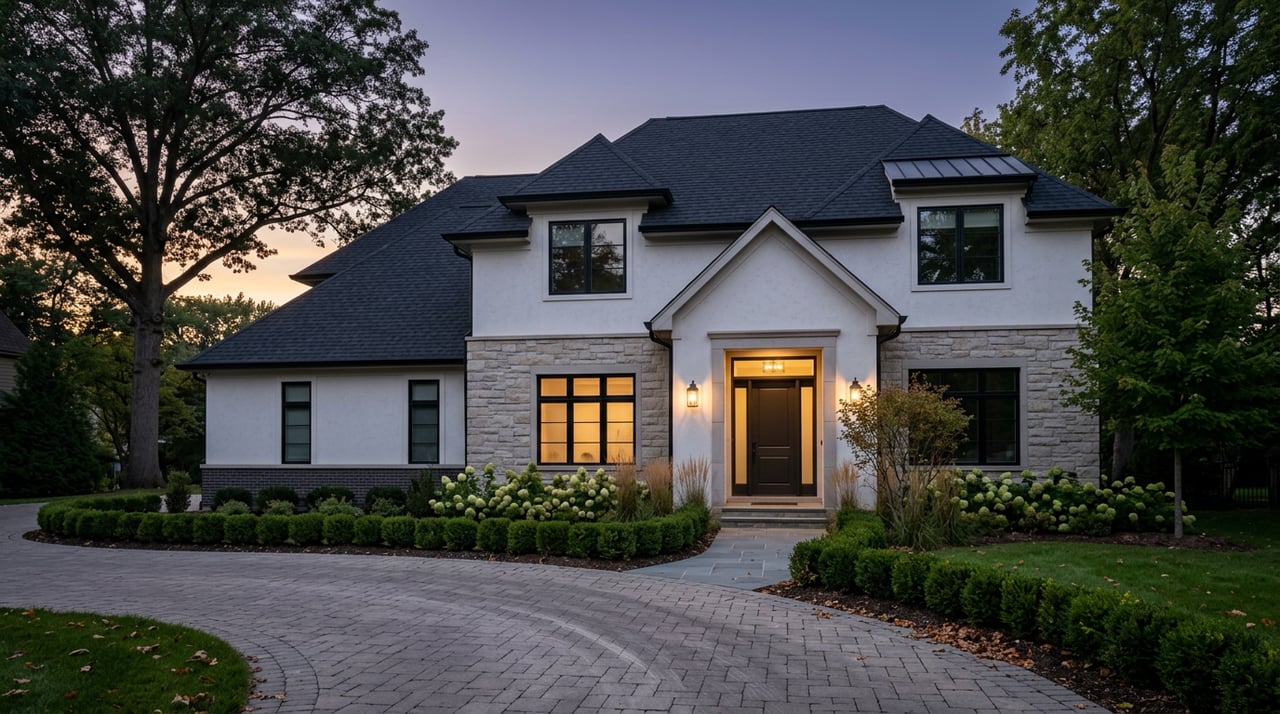


Who you work with matters! When it comes to your real estate needs, you should work with the best. Whether it is buying, selling, renting, second homes, investing, or more, we are happy to help assist you in any way that we can.
775 INDUSTRIAL CT BLOOMFIELD HILLS, MI 48302