Your Birmingham MI Lifestyle Guide: Downtown or Quiet?
Looking for a place where you can grab coffee, stroll a downtown park, run errands, and still come home to a quieter residential street a few minutes later? That balance is a big part of what draws buyers to Birmingham, Michigan. If you are weighing whether the city fits your lifestyle, this guide will help you understand how Birmingham blends downtown convenience with a more relaxed neighborhood feel. Let’s dive in.
Birmingham is a small city with a big presence in Oakland County. As of July 1, 2024, the city had an estimated population of 22,198 across just 4.79 square miles of land. That compact footprint helps explain why Birmingham often feels more connected and easier to navigate than larger nearby communities.
The housing profile also says a lot about the market. Birmingham has a 77.1% owner-occupied housing rate, and the median value of owner-occupied homes is $698,300. In simple terms, you are looking at a mostly owner-occupied city with a higher price point than many surrounding markets.
One of Birmingham’s biggest draws is its true downtown experience. The downtown district is designed to be lively and pedestrian-friendly, with nearly 300 merchants, theaters, two central parks, and events throughout the year. Instead of feeling like a place you only visit occasionally, downtown Birmingham is set up to support daily life.
That matters if you want convenience without giving up atmosphere. Restaurants, shopping, entertainment, civic spaces, and cultural destinations are grouped into a walkable core. For many buyers, that creates a lifestyle that feels active and practical at the same time.
Downtown Birmingham offers more than storefronts. The area includes Shain Park, Booth Park, the Rouge River Trail System, the Baldwin Public Library, theater and movie options, the farmers market, and seasonal events such as Winter Markt. These features help make downtown feel usable year-round, not just busy on weekends.
This kind of setup can shape your routine in a meaningful way. You may find that errands, dining, leisure, and community events are all concentrated within a small area. That is a different experience from communities where most daily stops require a longer drive.
Walkability gets the attention, but practical access matters too. The city lists five municipal parking garages downtown, with free parking for the first two hours. If you plan to spend time downtown often, that is a helpful detail that supports everyday convenience.
It also adds to Birmingham’s flexibility. You can enjoy a downtown setting whether you prefer to walk from nearby residential blocks or drive in for lunch, shopping, or an event. That blend of accessibility is part of the city’s appeal.
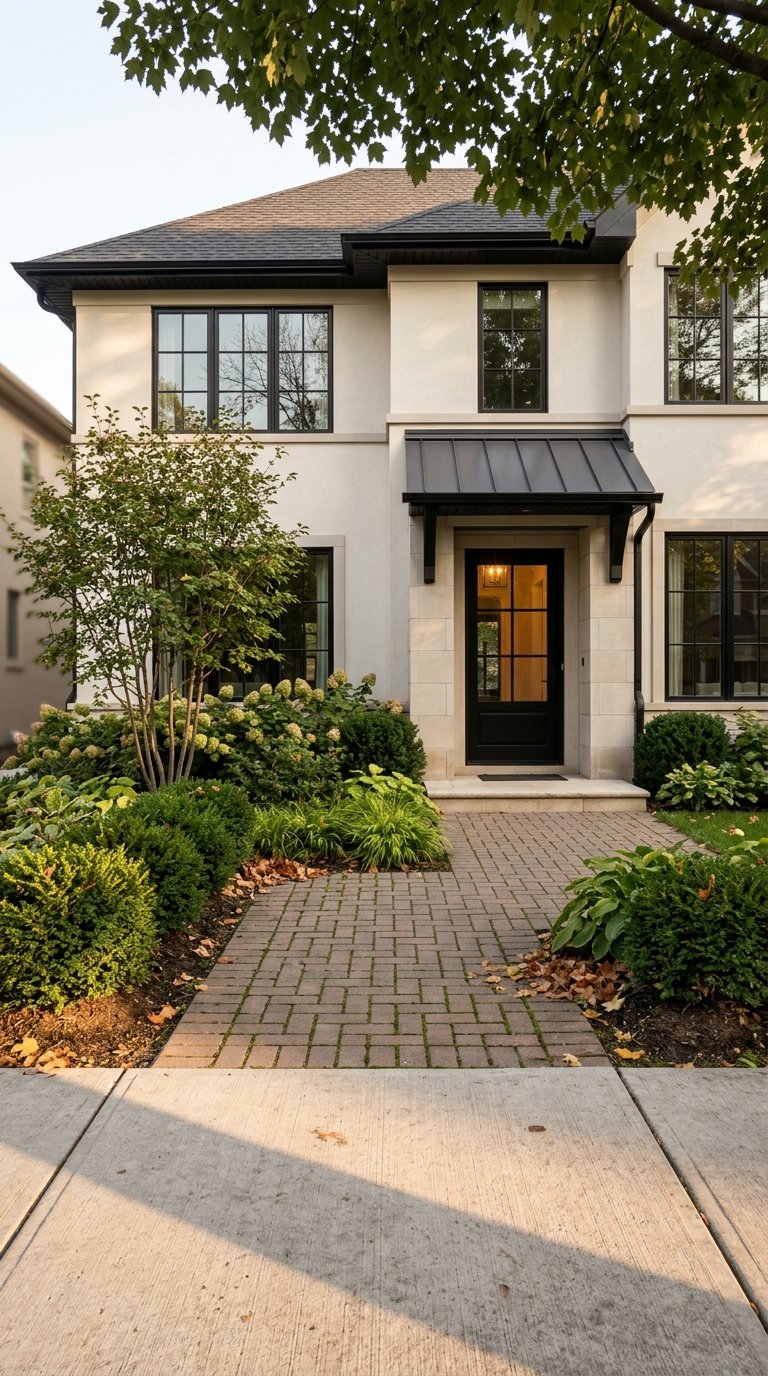
A few blocks away from the downtown core, Birmingham shifts into a more residential pace. City planning materials emphasize trees, landscaped areas, setbacks, and open space as features that support walkability, aesthetics, privacy, and neighborhood livability. That planning approach helps explain why many residential streets feel calmer even when they are still close to downtown.
This is where Birmingham’s dual identity stands out. You can have downtown energy nearby while still enjoying mature trees, parks, and quieter blocks at home. For buyers who do not want to choose between activity and comfort, that balance is often the deciding factor.
Neighborhood parks help reinforce that quieter side of the city. Pembroke Park is described by the city as a neighborhood treasure along North Eton Street, while Poppleton Park is a 17.2-acre community park east of Woodward. These spaces contribute to the residential rhythm of daily life outside the downtown core.
Parks also help different parts of Birmingham feel more layered. Rather than reading as one continuous commercial district, the city transitions into areas with more greenery, open space, and a neighborhood pace. That can be especially appealing if you want access to activity without living in the middle of it.
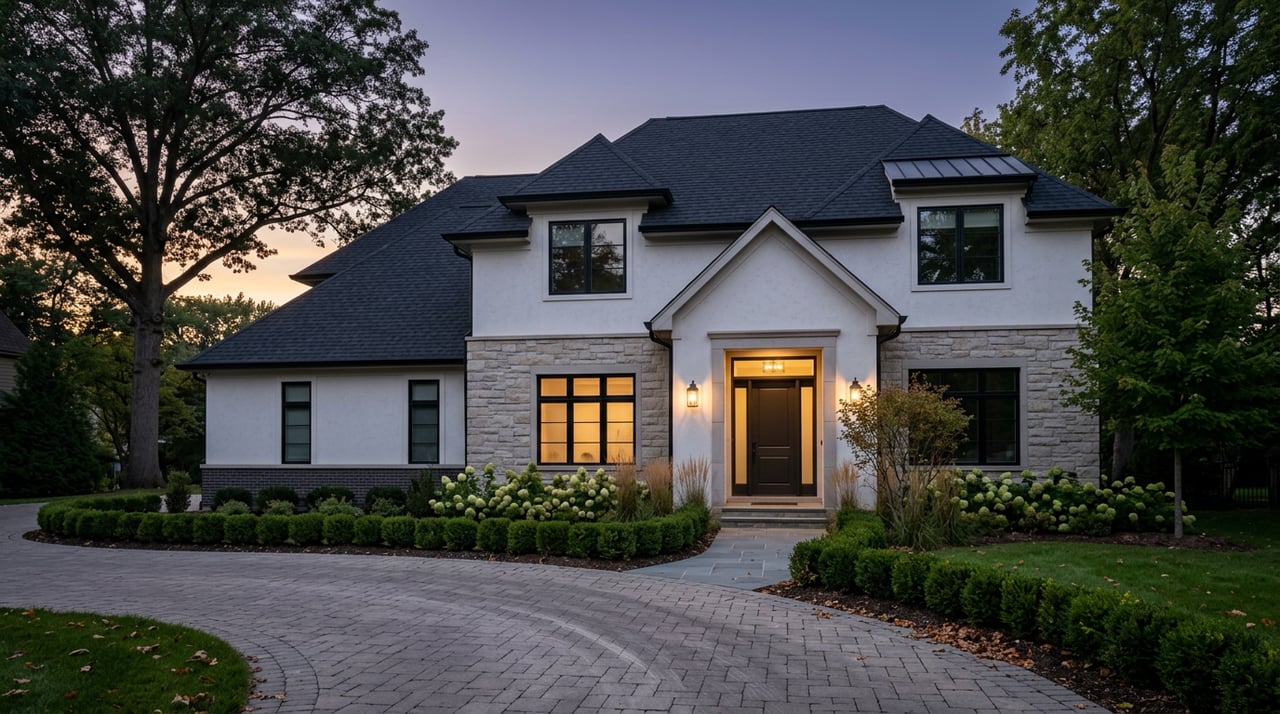
Birmingham is often associated with detached homes, but the housing mix is broader than that. City zoning and planning materials support a range of housing patterns, including single-family detached homes, townhouse or attached condo options, duplexes, and multi-unit apartments. For buyers, that means the city offers more than one path into the market.
The safest way to think about it is this: attached, lower-maintenance options tend to be more common near the core, while detached houses are more common on residential blocks farther out. That variety can be useful whether you are looking for convenience, space, or a simpler upkeep routine.
Birmingham’s 2023 zoning report notes several single-family districts, including R1-A, R1, R2, and R3, with minimum lot sizes ranging from 20,000 square feet to 4,500 square feet. The city also notes that some original platted lots can still support single-family homes even when they do not meet current minimum lot-area standards. That helps explain why one street may feel spacious while another feels tighter and more in-town.
For buyers, this is an important point. Birmingham is not a one-note housing market. Lot size, housing form, and street feel can vary quite a bit depending on where you are in the city.
If you are deciding between Birmingham and other Oakland County locations, the comparison usually comes down to lifestyle. Birmingham offers a compact city pattern with an active downtown and residential streets nearby. That combination is not exactly the same in Bloomfield Hills or Troy.
Bloomfield Hills generally offers a more secluded and primarily residential setting. City materials describe it as having limited commercial development, a peaceful atmosphere, wooded lots, privacy, and stately homes. If you want a more private setting with less commercial activity, Bloomfield Hills may feel more aligned.
Birmingham, by contrast, is more walkable and downtown-oriented. You are trading some seclusion for easier access to shops, dining, parks, and cultural destinations in a concentrated area. Neither is better across the board. It depends on how you want to live day to day.
Troy is a much larger and more spread-out city. As of July 1, 2024, Troy had an estimated population of 89,209 across 33.45 square miles, compared with Birmingham’s 22,198 residents and 4.79 square miles. Troy’s community profile highlights extensive parks, major retail and office space, highway access, and regional transit, which points to a more suburban and road-oriented lifestyle.
Price is another point of difference. Troy’s median owner-occupied home value is $420,300, while Birmingham’s is $698,300. If you are comparing the two, Birmingham generally offers a more compact and downtown-centered lifestyle at a higher price band.
If Birmingham is on your shortlist, it helps to think beyond price alone. The city’s appeal is tied closely to how you want your daily life to feel. For some buyers, being near downtown is the main goal. For others, the draw is finding a quieter residential block while still staying close to the center.
A few questions can help narrow your search:
These details can shape the right decision more than broad market labels. In a city as compact as Birmingham, a few blocks can make a real difference in lifestyle.
Birmingham’s biggest strength is balance. It offers a true downtown lifestyle inside a small city, while preserving residential streets with mature trees, parks, and a calmer pace nearby. That combination is hard to replicate in larger, more auto-oriented markets.
It also gives you flexibility. You can prioritize access to downtown activity, seek out a more residential setting, or look for a housing type that matches your stage of life. Whether you are buying your first home, moving up, downsizing, or exploring custom possibilities in the broader Birmingham area, the city offers a range of options within a compact footprint.
If you are thinking about buying or selling in Birmingham, working with a local, strategy-first brokerage can help you compare blocks, housing types, and opportunities with more confidence. Connect with Saba Katto for personalized guidance on Birmingham homes, resale opportunities, and custom-home possibilities in the surrounding luxury market.


Who you work with matters! When it comes to your real estate needs, you should work with the best. Whether it is buying, selling, renting, second homes, investing, or more, we are happy to help assist you in any way that we can.
775 INDUSTRIAL CT BLOOMFIELD HILLS, MI 48302